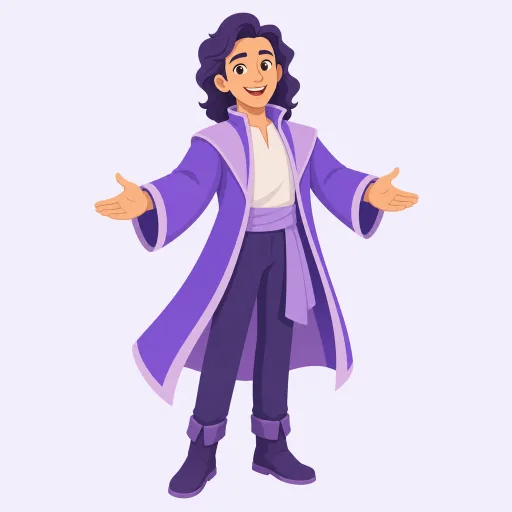
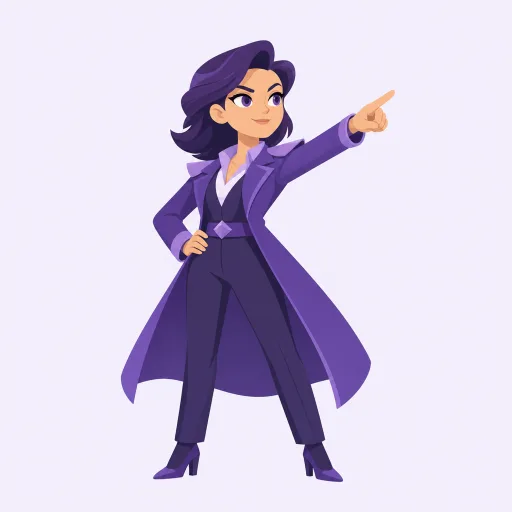
Overview
ENFJ and ENTJ are both extraverted, judging types: fast to act, clear on goals, and used to stepping up to organize people and projects. You also share the auxiliary function introverted intuition (Ni) — you both see far and like laying a clear path to the future, so conversations jump straight to "where are we headed and how do we get there." The difference is the lead function. ENFJ runs on extraverted feeling (Fe), asking first "is this good for people, will everyone buy in?" ENTJ runs on extraverted thinking (Te), asking first "does this work, will it hit the target?" One measures by people, one by results. That makes you a powerful pairing, but it's also the easiest way to lock horns over "who's in charge" and "what counts as success." The real task is for two people used to leading to learn to take turns yielding.
How ENFJ sees ENTJ
ENFJ admires ENTJ's drive and efficiency: willing to make the call, shoulder the responsibility, and turn a fuzzy vision into an executable plan. That no-nonsense certainty feels safe. ENTJ's bluntness can even be a relief for an ENFJ who's always managing everyone's feelings — finally someone says it straight. But when ENFJ wants to mind the team's mood and ENTJ is locked on results and timelines, ENFJ can feel the other treats people as resources rather than partners. ENFJ has to learn to hear it: ENTJ's full-speed drive isn't coldness — it's how they actually get things done.
How ENTJ sees ENFJ
ENTJ sees in ENFJ the very thing they lack most: reading people, defusing tension, getting a whole team to follow willingly. For an ENTJ who just charges at the goal, ENFJ adds warmth and a human touch to a cold plan, cutting a lot of needless pushback. But ENFJ's concern for harmony and care for everyone's feelings can read to ENTJ as slowing the decision, or as not pushing forward for fear of upsetting someone. ENTJ needs to remember: ENFJ minding people isn't indecision — it's another strategy for making things last.
Love & intimacy
This is a strong-meets-strong attraction. You both admire the other's energy, drive, and refusal to settle, and together you feel like a team with a clear mission — quick to push your shared life and dreams far and fast. ENFJ brings warmth and emotional expression, filling in the softer words ENTJ struggles with; ENTJ's decisiveness and protectiveness finally give the always-giving ENFJ someone holding the line for them. The challenge is that you both want to lead: from life direction down to weekend plans, who makes the call? Learning to swap "I'll decide" for "we'll decide," while ENTJ practices talking about feelings and ENFJ practices stating needs outright, is what moves this relationship from collaboration to intimacy.
As friends or colleagues
As friends, you're among the few people who can talk ideals and ambition with each other without getting doused — you push each other and grow together. As colleagues, this is a high-firepower pairing: ENTJ excels at strategy, decisions, and momentum, ENFJ at communication, cohesion, and leading people — one sets direction, one drives the team forward. But when you both want to lead and both trust your own judgment, it easily becomes a tug-of-war over control; ENTJ may charge so hard they overlook the team's feelings, and ENFJ may avoid openly objecting to keep the peace. Defining the division of labor and agreeing who has final say over what is far easier than fighting over who was right afterward.
Where you click
- Setting shared goals: you both see far and act fast, going from vision to execution in one sweep
- Playing to strengths: ENTJ supplies strategy and decisions, ENFJ leads people and communication — one drives, one unites
- Both proactive, neither waits passively — relationship and plans rarely stall
- When goals align, two engines of drive stack up and others struggle to keep your pace
Where you get stuck
- Both want to lead, so who makes the call quietly turns into a power struggle
- ENTJ weighs results, ENFJ weighs feelings — different yardsticks for "what counts as success"
- ENTJ's bluntness reads to ENFJ as not caring about people; ENFJ's tact reads to ENTJ as not being decisive enough
- Both are competitive and hate to lose, so fights drift toward winning rather than solving
Communication tips
Swap "I'll take charge" for "you lead this, I lead that." Agreeing in advance who has final say over which areas saves most of the friction. ENTJ can add "how does everyone feel about it?" before locking a conclusion, giving decisions some warmth; ENFJ can say discontent outright instead of hinting through mood or silence. When you disagree, have ENFJ open with "what I care about is how this affects people" and ENTJ open with "what I care about is whether this hits the target" — laid side by side, the two yardsticks are usually two faces of the same goal. And don't let competitiveness crowd out intimacy: occasionally conceding first, or saying "you're right," isn't weakness — it's the grown-up choice that keeps the relationship from becoming an arena.
FAQ
Two people who both love to lead — will they just keep competing?
There's that risk, but it isn't inevitable. The key is to split leadership and assign it: spell out who owns which area and who has final say, and practice yielding in the other's domain. When you treat each other as teammates rather than rivals, your two leadership instincts stack up instead of canceling out.
What do they argue about most?
Usually "results vs feelings" and "who's in charge": ENTJ thinks they're driving efficiency, ENFJ feels people are being treated as tools; or you both want to make the call and neither yields. Agree on the division of labor and decision rights up front, and affirm before you critique, listen before you dig in — and most of this friction dissolves.